
NZ Builders Talk: What Watches Are Builders Actually Wearing on Site?
- Newsletter
-
May 12
- Share post
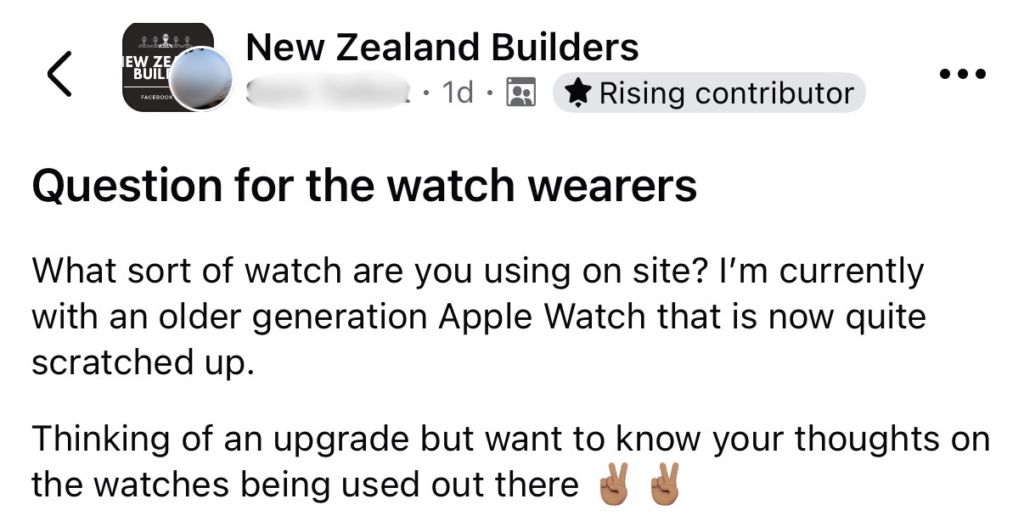
A simple question in the New Zealand Builders group got a lot more traction than expected: what watch are you wearing on site?
The poster was using an older Apple Watch that had clearly taken a bit of punishment over the years. It was scratched up, probably past its best, and he was looking at upgrading to something that could handle site life better. Instead of relying on product reviews or polished brand pages, he asked the people most likely to give a straight answer: other builders.
The replies came in quickly, and the pattern was easy to spot. Builders are not looking for anything fancy. They want a watch that can handle knocks, dust, sweat, rain, tools, timber, framing, ladders, and everything else that comes with the job.
For most of the group, the conversation came down to a few familiar names. G-Shock had the loudest support, Garmin had plenty of backing, and Apple Watch sat in that awkward middle ground where it works well but does not always love rough site conditions. A few newer “tradie-focused” watches also came up, but not all of them got glowing reviews.
G-Shock Still Has a Strong Hold on Site
G-Shock was one of the first names mentioned, and the response was about as direct as it gets. One commenter said, “G-Shock. There is no other.” That pretty much set the tone for a big part of the thread.
That kind of loyalty does not come from hype. Builders are hard on gear, and anything worn daily on site has to earn its place. A watch might look good in the shop, but that means very little once it is being scraped against framing, covered in dust, knocked on scaffold, or worn through long days of physical work.
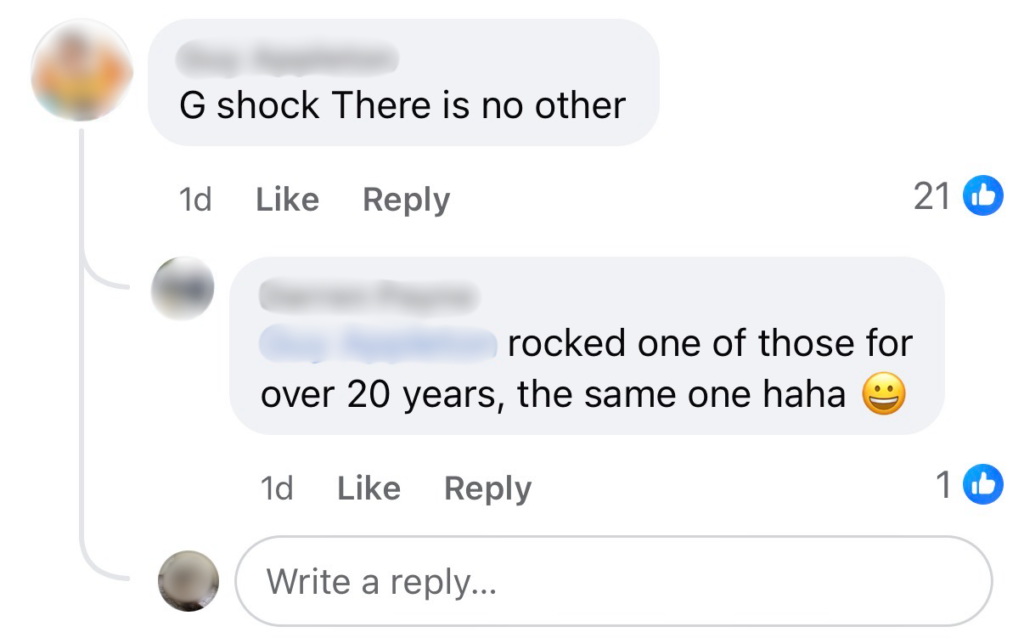
Several builders backed G-Shock because they had actually lived with one for years. One reply mentioned wearing the same one for over 20 years. Another talked about a solar model that had survived more than a decade without needing a battery replacement.
That is the kind of feedback builders tend to trust. Not a feature list. Not a brand campaign. Just someone saying, “I’ve had this for years, and it still works.”
Why Solar Models Got So Much Praise
The solar-powered G-Shocks got a strong mention because they solve one of the most annoying problems with wearable tech: charging.
Builders already have enough things to charge. Phones, tool batteries, laser levels, earbuds, speakers, lights, and tablets all compete for plugs and attention. Adding a watch to that nightly charging routine is not always appealing, especially when you are starting early and finishing tired.
That is where the Casio Tough Solar comments stood out. One builder said his solar watch had paid for itself over the years because he had not needed to replace the battery. Another said his had lasted 15 years, with the battery still going strong, even though he had already gone through several straps.
That detail about the straps is useful because it feels real. On site, the watch case might survive for years, but straps get worked hard. Sweat, dust, concrete, UV, and constant movement eventually wear them out. Being able to replace a strap cheaply and keep the same watch going is a practical win.
Garmin Is the Favourite for Builders Who Still Want Smart Features
While G-Shock clearly had the old-school durability vote, Garmin had its own loyal crowd. The Garmin Instinct range came up more than once, especially the Instinct 2. One builder said he had no real complaints, apart from the black-and-white screen, which he did not see as a deal breaker considering the price.
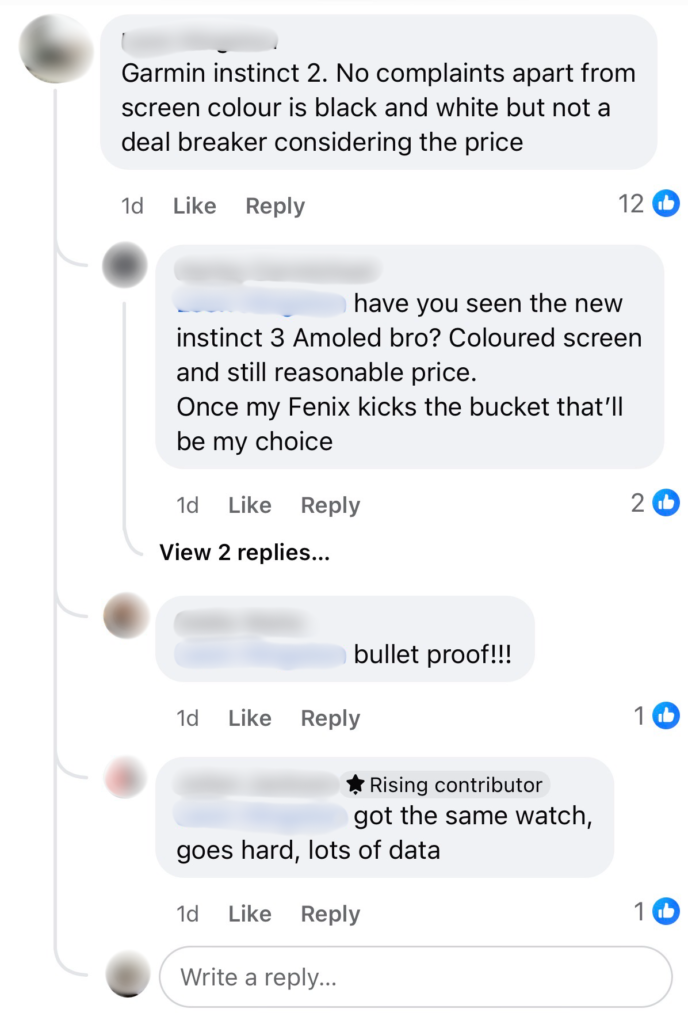
That comment sums up why Garmin works for a lot of tradies. It gives you useful smart features without feeling too delicate for site work. You get activity tracking, data, notifications, GPS features, and long battery life, but the watch still looks and feels like something built for rougher use.
A few builders also mentioned newer Garmin models, including the Instinct 3 AMOLED. The colour screen appealed to some, especially those who liked Garmin already but wanted something a bit sharper and more modern. Still, even then, the comments were not about showing off the screen. They were about whether the watch could stay practical while offering a better display.
That is the main difference between builders and casual smartwatch buyers. The average buyer might lead with the screen, the apps, or the look. Builders usually start with one question: will it survive?
Apple Watch Works, But It Has Limits
The original post started with an Apple Watch, so it is worth being fair to it. Apple Watches are popular for good reason. They are easy to use, pair well with iPhones, handle calls and messages, track movement, and fit neatly into daily life.
The problem is that site life is not daily life. A building site is rough on anything with a screen. Watches get dragged past timber, knocked on frames, scraped against steel, covered in dust, and exposed to weather. Even if the watch still works perfectly, it can quickly start looking tired.
That was the issue in the original post. The Apple Watch had not necessarily failed, but it was scratched up enough that the owner was thinking about moving on. That is probably a common experience for tradies who like Apple products but also work in environments where consumer tech gets punished.
An Apple Watch can still make sense if someone values the phone integration and is happy using a case or screen protector. But based on the thread, it does not seem to be the first recommendation for builders who mainly want something tough and low-maintenance.
The 'Hard Hat Watch' Feedback Was Not Great
One of the more useful parts of the discussion was the feedback on “hard hat” watches or rugged watches marketed directly at tradies.
One builder said he had used Garmin for years without any issues, but after switching to the hard hat trend, two watches failed within months. He said he had not changed how he worked or treated the watch, which made the experience even more frustrating. After that, he gave up trying to get a replacement and planned to go back to Garmin.
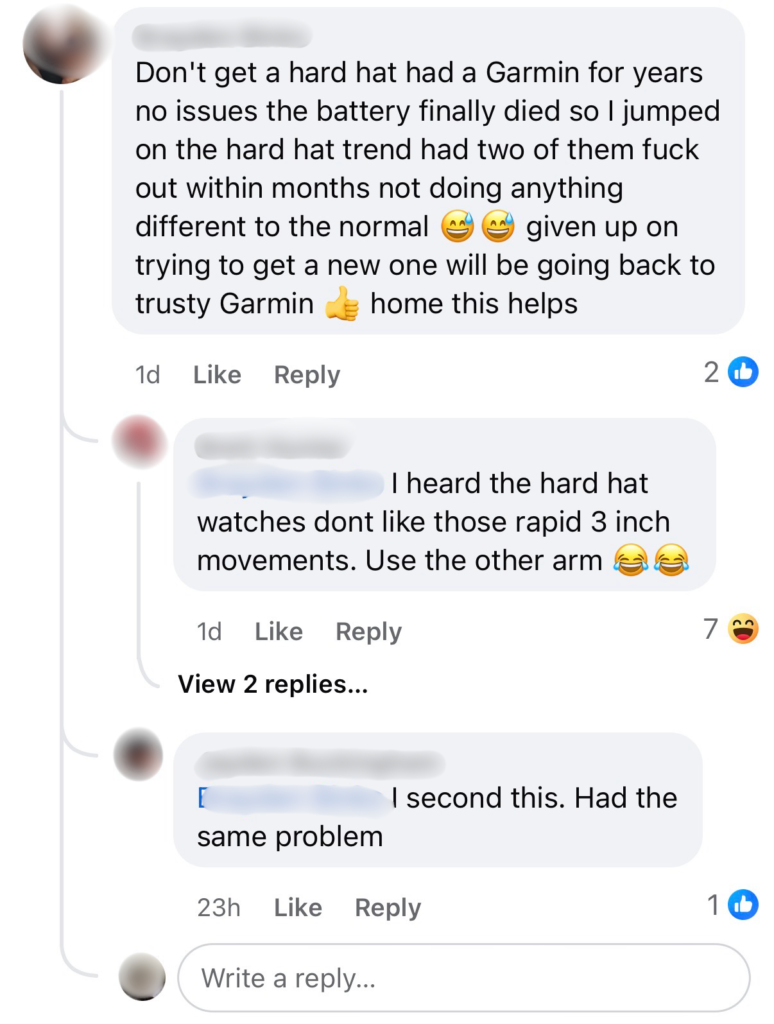
That kind of comment is valuable because it cuts through marketing. A watch can be branded as tough, rugged, or site-ready, but builders will only believe it when it lasts. If something fails within months under normal site use, it is hard to win that trust back.
Other comments backed him up, with one person saying he had the same problem. There was also the usual site humour in the replies, but underneath the jokes was a clear point: builders are not easily sold on gear just because it is aimed at them. They want proof.
Builders Judge Watches Like They Judge Tools
One reason the thread was interesting is that builders talked about watches almost the same way they talk about tools.
They were not comparing them like fashion accessories. They were talking about battery life, toughness, comfort, maintenance, and value over time. That makes sense because a watch worn on site becomes part of the workday, not just something you put on after work.
A good site watch has to stay out of the way. It cannot be too bulky, too fragile, too needy, or too awkward to read. If it catches on things, dies too quickly, scratches too easily, or needs constant attention, it becomes annoying fast.
That is why simple watches still do well. A basic G-Shock may not have the smartest features, but it does the job without asking much from the wearer. For plenty of builders, that is enough.
Battery Life Can Be the Deciding Factor
Battery life came up in different ways throughout the thread, even when people were not directly talking about it. Long-lasting watches were praised. Solar watches were praised. Garmins with strong battery life were praised. Watches that needed more attention were treated with more caution.
That says a lot about what builders actually value day to day.
A watch that has to be charged every night can still work, but it becomes another routine. Forget once, and you start the next day with a dead or half-dead watch. That might be fine in an office, but on site, most people prefer gear that is just ready when they are.
This is one reason Garmin sits in a strong position for tradies who want smartwatch features. Many models offer far better battery life than the typical consumer smartwatch, while still giving enough tracking and notification features to feel useful.
G-Shock takes that even further. For builders who do not care much about smart features, a solar G-Shock removes the battery question almost entirely.
Straps Matter More Than People Think
A small but practical detail in the comments was strap durability. One builder said his Casio Tough Solar was still going strong after 15 years, but he had gone through three straps. He then switched to a cheap nylon strap because he expected it to outlast the rubber ones.
That is exactly the kind of detail that makes these discussions useful.
A watch review might focus on the case, screen, sensors, and battery. But on site, the strap is often what cops the daily abuse. Rubber can split, loosen, or get uncomfortable over time. Metal can catch or feel heavy. Nylon can be a cheap and practical fix, especially if it dries quickly and feels better during long days.
It is not the flashiest part of the watch, but it affects whether someone actually keeps wearing it.
The Best Watch Depends on What You Want From It
After reading through the comments, there is no single answer that works for every builder.
If someone wants a watch that simply tells the time, survives abuse, and needs almost no attention, G-Shock is the safest pick. The amount of support it received in the thread makes that clear. Builders trust it because it has been tested by builders for years.
If someone wants smart features but still needs something tough, Garmin is probably the better fit. The Instinct range seems especially popular because it gives enough data without feeling like a fragile gadget. It also avoids one of the biggest complaints about regular smartwatches by offering stronger battery life.
If someone wants the easiest phone integration, Apple Watch still has a place. But it may need protection, and the wearer should expect scratches and wear if it is used daily on site.
And if someone is looking at newer tradie-marketed watches, the lesson from the thread is simple: check real user feedback first. “Built tough” on the box does not always mean much once the watch is on someone’s wrist for months of actual work.
What This Thread Says About Site Gear in General
The watch question might seem small, but the replies showed something bigger about how builders choose gear.
They value items that last. They trust products that other builders have actually used. They are not easily impressed by features if those features come with fragility. They would rather have something plain and reliable than something clever that fails.
That thinking applies far beyond watches. It is the same way builders talk about boots, tools, utes, workwear, and even phones. The best gear is the gear that does its job without turning into another problem.
The discussion also showed how useful these Facebook threads can be. You get quick, blunt feedback from people who are not trying to sell anything. Some answers are rough around the edges, some are jokes, and some are only a sentence long. But together, they give a pretty honest picture of what is actually being used on site.
Final Takeaway
For builders looking for a site watch, the thread gave a pretty clear direction. G-Shock is still the go-to for toughness and low maintenance. Garmin is the strong option for those who want smart features without giving up durability. Apple Watch can work, but it is probably better suited to builders who do not mind scratches or who are willing to protect it properly.
The main lesson is simple: choose the watch based on the work, not just the features.
A site watch does not need to impress anyone. It needs to survive the day, keep working tomorrow, and not become another thing you have to worry about.
That is why the most trusted recommendations came from builders who had worn the same watch for years. On site, that is still the best review you can get.